
There are many sins that believers easily recognize, confess, and condemn, but there is one sin that often sits quietly in the heart while wearing respectable clothing. It is the sin of covetousness, the love of money, the desire for more, and the secret worship of earthly security. The Scripture does not treat this lightly. Colossians 3:5 commands, “Put to death therefore what is earthly in you: sexual immorality, impurity, passion, evil desire, and covetousness, which is idolatry.” The Word of God does not merely say covetousness is weakness, ambition, planning, or financial wisdom; it calls covetousness idolatry. This means the heart that loves money is not simply making a financial mistake, but bowing before another god.
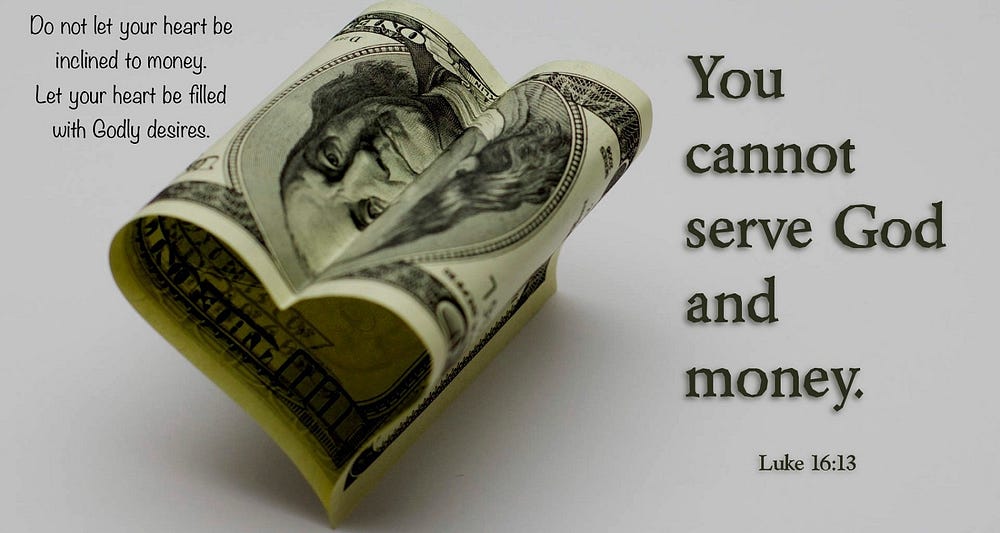
Many people would never enter a temple of idols, never bow before carved images, and never confess another god with their mouth, yet they may serve money with their heart, time, fear, energy, and decisions. Jesus said in Matthew 6:24, “No one can serve two masters… You cannot serve both God and money.” He did not say it is difficult to serve both; He said it is impossible. Money becomes idolatry when it becomes the master, the hope, the identity, the security, the comfort, the pursuit, and the hidden ruler of life. This is the commandment silently ignored because many believers reject visible idols but tolerate invisible idols. They condemn sexual immorality, drunkenness, anger, and pride, but they quietly excuse greed, luxury, envy, and love of wealth. The New Covenant does not only cleanse the outward behavior; it judges the hidden loyalty of the heart.
Covetousness Is Idolatry Before God
The apostle Paul writes in Colossians 3:5, “Put to death therefore what is earthly in you… evil desire, and covetousness, which is idolatry.” Again in Ephesians 5:5 he says, “For you may be sure of this, that everyone who is sexually immoral or impure, or who is covetous, that is, an idolater, has no inheritance in the kingdom of Christ and God.” These verses reveal that covetousness is not a small private weakness, but a spiritual rebellion against God. Covetousness says, “God is not enough for me.” It says, “What God has given me is not sufficient.” It says, “My joy will come when I possess more.” It says, “My peace depends on increase.” It says, “My worth is measured by what I own.” This is why covetousness is idolatry, because it transfers trust, satisfaction, and devotion from God to created things. An idol is not only something made of wood or stone; an idol is anything that takes the place of God in the heart.
The danger of this idol is that it can live inside religious people without being easily detected. A person may attend worship, read Scripture, pray, and speak Christian words, yet still be driven by greed, comparison, and desire for wealth. This is why Paul says, “Put to death.” He does not say negotiate with covetousness, reduce it, decorate it, or rename it as ambition. He says kill it. The earthly nature must not be managed; it must be crucified. The New Covenant believer is not called merely to avoid stealing, cheating, and fraud, but to destroy the inward desire that makes money a god. When the heart is always asking for more, always comparing, always jealous, always unsatisfied, always afraid of losing earthly comfort, then the idol is alive. The command of Christ is not only, “Do not worship idols,” but also, “Do not let your heart cling to anything more than God.”
Money Becomes a Master When It Rules the Heart
Jesus said in Matthew 6:24, “No one can serve two masters. Either you will hate the one and love the other, or you will be devoted to the one and despise the other. You cannot serve both God and money.” This verse is one of the clearest warnings in the mouth of the Lord Jesus. He presents money not merely as an object, but as a possible master. A master gives commands, demands loyalty, controls decisions, and expects service. When money becomes master, it tells a person when to work, when to rest, what to fear, whom to respect, whom to ignore, what to sacrifice, and what to pursue. Money says, “Serve me, and I will give you security.” Money says, “Love me, and I will give you status.” Money says, “Obey me, and I will give you comfort.” But Jesus exposes the lie by saying no man can serve both God and money.
This means the issue is not whether a believer has money, but whether money has the believer. Abraham was wealthy, yet God was his treasure. Job had possessions, lost possessions, and still worshiped God. Joseph handled the wealth of Egypt without becoming Egypt’s slave. The problem is not coins, salary, property, business, savings, or possessions. The problem is when the heart bows. The problem is when obedience to God becomes secondary to financial gain. The problem is when prayer becomes only a request for prosperity. The problem is when church, family, truth, holiness, mercy, and righteousness are sacrificed for money.
The Love of Money Pierces the Soul
Paul warns in 1 Timothy 6:10, “For the love of money is a root of all kinds of evil. Some people, eager for money, have wandered from the faith and pierced themselves with many griefs.” The Scripture does not say money itself is the root of all evil, but the love of money is a root of all kinds of evil. This love is not always loud. Sometimes it looks like anxiety. Sometimes it looks like endless striving. Sometimes it looks like refusing to give. Sometimes it looks like dishonesty in small things. Sometimes it looks like admiration for rich people and contempt for the poor. Sometimes it looks like serving God only when it does not cost anything. Sometimes it looks like choosing a path because it pays more, even if it pulls the soul away from Christ. The love of money is dangerous because it does not remain alone; it produces many other sins.
Paul says some people, being eager for money, “have wandered from the faith.” This is terrifying. The love of money does not merely damage emotions; it can pull a person away from the faith. A person may not deny Christ with words, but may slowly drift away through desire for gain. First, prayer becomes weak. Then fellowship becomes optional. Then compromise becomes normal. Then worldly success becomes the testimony. Then the heart becomes hard. Then the person wonders why spiritual joy is gone. Paul also says they “pierced themselves with many griefs.” This means the lover of money wounds himself. He thinks he is building a life, but he is stabbing his own soul. He gains more but sleeps less. He owns more but fears more. He rises higher but becomes emptier. He gathers wealth but loses peace. This is the grief of idolatry: the idol promises life, but gives sorrow.
The Covetous Have No Inheritance Unless They Repent
Ephesians 5:5 says, “For you may be sure of this, that everyone who is sexually immoral or impure, or who is covetous, that is, an idolater, has no inheritance in the kingdom of Christ and God.” Paul says, “You may be sure of this.” He does not speak with uncertainty. He does not leave room for careless comfort. He places covetousness beside sexual immorality and impurity. Many believers tremble at sexual sin but do not tremble at greed. Many churches discipline public immorality but celebrate financial obsession. Many people think a greedy man is successful, but Scripture calls him an idolater. The kingdom of Christ and God is not inherited by those who cling to idols. The grace of God forgives repentant sinners, but it does not bless unrepentant idolatry. The New Covenant does not permit a person to wear Christ’s name while worshiping money in secret.
Christ came to save idolaters, but He does not save them by leaving them in idolatry. The cross does not only forgive greed; it crucifies greed. The Spirit does not only comfort the believer; He sanctifies the believer. A person may have struggled with covetousness, loved money, lived for gain, and trusted earthly possessions, but if he comes to Christ in repentance, there is mercy. However, no one should deceive himself by saying, “I love God,” while refusing to let go of the idol of money. The question is not whether we use money, but whether we worship it. The question is not whether we work, but whether work has replaced God. The question is not whether we save wisely, but whether savings have become our savior. The kingdom belongs to those who bow before Christ, not those who bow before gold.
Contentment Is Worship Under the New Covenant
Hebrews 13:5 commands, “Keep your lives free from the love of money and be content with what you have, because God has said, ‘Never will I leave you; never will I forsake you.’” This verse gives both the command and the cure. The command is clear: keep your life free from the love of money. This means the believer must guard the heart, the home, the thoughts, the desires, the ambitions, and the lifestyle. The love of money must not be allowed to settle in the soul. It must not be entertained through comparison, envy, luxury, pride, or constant dissatisfaction. But the cure is also clear: “Be content with what you have.” Contentment is not laziness. Contentment is not irresponsibility. Contentment is not refusing to work. Contentment is holy satisfaction in God’s faithful care.
The reason for contentment is not that we have enough money, but that we have God Himself. The Scripture says, “Never will I leave you; never will I forsake you.” This is the treasure of the New Covenant. The world says, “Fear tomorrow.” God says, “I am already there.” Contentment is not produced by having everything we want; it is produced by trusting that God is better than everything we want.
The Silent Ignoring of This Commandment
Many believers do not openly reject the commandment against loving money, but they silently ignore it. They read the verses, agree with them, and continue living as if money is the highest evidence of blessing. They pray for increase but not for holiness. They ask for promotion but not for purity. They desire breakthrough but not brokenness. They measure testimony by material success more than Christlike character. They call a man blessed because he has wealth, even if he lacks humility, mercy, truth, and devotion. They call a ministry successful because it has money, buildings, and influence, even if it lacks repentance, holiness, and the fear of God. This is how the commandment is silently ignored. It is not denied by doctrine; it is denied by lifestyle.
Jesus warned in Luke 12:15, “Take care, and be on your guard against all covetousness, for one’s life does not consist in the abundance of his possessions.” He also said in Matthew 6:19–21, “Do not lay up for yourselves treasures on earth… but lay up for yourselves treasures in heaven… For where your treasure is, there your heart will be also.” These words expose the heart. A person’s treasure reveals the direction of his worship. If all his planning, joy, fear, and labor are tied to earthly increase, then his heart is tied to earth. If his giving is painful but his spending is easy, then his treasure is exposed. If he can sacrifice for comfort but not for Christ, then his treasure is exposed. If he worries more about losing money than grieving the Holy Spirit, then his treasure is exposed.
The New Covenant Way: Use Money, But Worship God Alone
The New Covenant does not command believers to hate money as an object, but to hate the love of money as a rival god. Money can feed the hungry, clothe the poor, support ministry, help families, pay debts, provide shelter, and serve righteous purposes. But money must remain a servant, never a master. Paul instructed in 1 Timothy 6:17–19, “As for the rich in this present age, charge them not to be haughty, nor to set their hopes on the uncertainty of riches, but on God… They are to do good, to be rich in good works, to be generous and ready to share.” This shows the holy use of money. The believer must not set hope on riches, but on God. The believer must not become proud because of possessions, but humble because everything came from God. The believer must not hoard selfishly, but become generous and ready to share.
The New Covenant heart sees money as a tool for obedience. It asks, “How can this serve God?” It asks, “How can this bless others?” It asks, “How can this reduce my debt to worldly bondage?” It asks, “How can this support the work of the gospel?” It asks, “How can this help the poor, the widow, the orphan, the stranger, and the suffering?” This is very different from the idolatrous heart that asks only, “How can this increase my comfort, image, status, and control?” A Spirit-filled believer does not need money to prove his worth. His worth is in Christ. He does not need possessions to prove God loves him. The cross has already proven that. He does not need wealth to feel safe. The Shepherd of his soul has promised never to leave him.
Conclusion: Choose Your Master
The message of Scripture is clear: money is not evil in itself, but the love of money is deadly. Covetousness is not a harmless desire; it is idolatry. The greedy heart is not merely ambitious; it is divided. Jesus said, “You cannot serve both God and money.” Therefore, every believer must ask: Who is my master? What controls my decisions? What gives me peace? What causes me fear? What do I pursue most? What am I unwilling to surrender? What do I think I cannot live without? These questions reveal whether God is truly enthroned in the heart.
Prayer: Father, in the name of Jesus Christ, open our eyes to every hidden idol in our hearts. Forgive us for loving money, trusting money, fearing the loss of money, and measuring life by earthly possessions. Forgive us for silently ignoring Your commandment while calling ourselves faithful. Cleanse us from covetousness, greed, envy, pride, comparison, and discontentment. Teach us to be content with what we have because You have promised never to leave us nor forsake us. Help us to use money as a servant, never worship it as a master. Let Christ become our treasure above all things. Amen.