
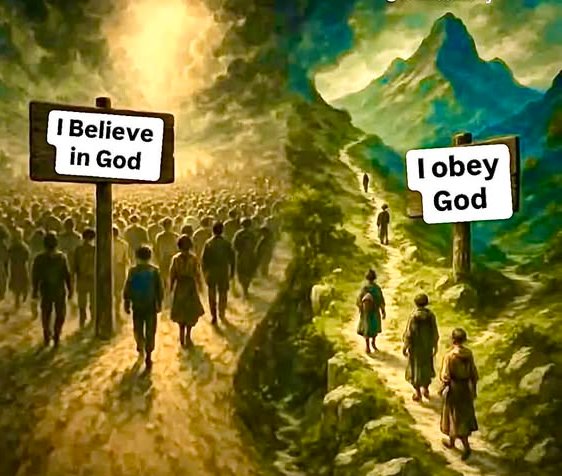
Jesus ends the parable of the wedding feast with a statement that is both sobering and hopeful: “For many are called, but few are chosen” (Matthew 22:14). In that one line, the Lord reveals a distinction that runs throughout Scripture — especially in the New Covenant. God’s call goes out widely like an invitation to a feast; God’s chosen are those who truly respond — by faith, repentance, surrender, and a life that bears fruit.
Called by God: The Invitation That Goes Out to Many
God’s call is seen clearly through the gospel proclamation: Christ died for sins, rose again, and commands all people everywhere to repent and believe. The call is not a private whisper to a few; it is a public announcement to the world.
Jesus’ parable in Matthew 22 portrays a king preparing a wedding feast for his son. Invitations go out — again and again. Some ignore it. Some mock it. Some are distracted by ordinary life — business, possessions, priorities. Others respond violently. And then, the invitation expands broadly: “Go therefore to the main roads and invite to the wedding feast as many as you find” (Matthew 22:9). The picture is clear: the invitation is wide.
The call is universal in its reach: God’s heart is not stingy. He does not delight in shutting the door; He delights in mercy. Scripture repeatedly shows God calling sinners to Himself:
- “Come to Me, all who labor and are heavy laden, and I will give you rest” (Matthew 11:28).
- “Let the one who is thirsty come; let the one who desires take the water of life without price” (Revelation 22:17).
- “God… commands all people everywhere to repent” (Acts 17:30).
The call goes out through the Word of God, through preaching, through testimony, through conviction of the Spirit, through the witness of the church, and sometimes through hardship that awakens the soul. Many people hear this call. Many are exposed to truth. Many sit under sermons. Many read the Bible. Many feel conviction. Many sense the tug of eternity.
But hearing the call is not the same as answering it.
The call is an opportunity, not automatic transformation : The invitation is real, but it requires a response. Like a feast invitation, it can be received with joy — or treated as a nuisance. Jesus warned that many will treat the kingdom like background noise:
- Some are like seed that falls on the path — truth heard but immediately taken away (Matthew 13:19).
- Some receive it with joy but fall away under pressure (Matthew 13:20–21).
- Some are choked by cares, riches, and desires (Matthew 13:22).
The call exposes what is in the heart. Not because God is unsure — but because we often are.
The call can be refused, delayed, or counterfeited: One of the most dangerous spiritual conditions is not open atheism, but comfortable “attendance” with no surrender. A person may be surrounded by Christian language and still remain untouched by Christ. They may respect Jesus and still refuse His lordship. They may agree with truth and still cling to sin. They may enjoy “church culture” while avoiding the cross.
Jesus warned of people who say “Lord, Lord” but do not do the Father’s will (Matthew 7:21). That is the tragedy of being called — even religiously involved — yet never becoming truly Christ’s disciple.
Chosen by God: The Response That Enters and Abides
If the call is the invitation, then being “chosen” (in the practical sense displayed in Matthew 22) is the embraced invitation — the response that receives the King on His terms.
The “chosen” are not those who merely hear the gospel, but those who receive it with living faith. Not those who merely show up near the feast, but those who enter it rightly. Not those who merely admire Jesus, but those who follow Him.
The chosen respond with faith that yields obedience: The New Covenant never separates genuine faith from a changed life. We are not saved by good works, but we are saved unto good works. The chosen are those who receive Christ’s righteousness and then walk in the fruit of that new life.
Jesus said: “You did not choose Me, but I chose you and appointed you that you should go and bear fruit and that your fruit should abide” (John 15:16).
Notice the direction: chosen and appointed for fruit. Fruit is not the payment for salvation, but it is the evidence of a living union with Christ.
James says it plainly: “Be doers of the word, and not hearers only, deceiving yourselves” (James 1:22).
The chosen are not sinless, but they are not content to remain unchanged. They are not perfect, but they persevere. They do not merely admire holiness; they hunger for it.
The chosen embrace God’s conditions, not their own terms: In the parable, there is a man who enters the wedding feast without proper attire. This is the sharp edge of the story. The issue is not that he came; it is that he came his own way. He wanted the benefits of the feast without honoring the King’s provision. The chosen ones are encouraged to yearn for God’s Holiness, not live life on their own terms.
Jesus is teaching a New Covenant reality: the only acceptable “garment” before God is not self-made morality or religious performance, but the righteousness God provides in Christ. The New Testament describes believers as those who are clothed:
- “For as many of you as were baptized into Christ have put on Christ” (Galatians 3:27).
- “Not having a righteousness of my own… but that which comes through faith in Christ” (Philippians 3:9).
To be chosen is not merely to be near holy things. It is to be covered by Christ, submitted to Christ, and transformed by Christ.
The chosen have a transformed heart, reordered priorities, and a surrendered life: God promised not only forgiveness, but inner renewal:
“I will give you a new heart, and a new spirit I will put within you… And I will put My Spirit within you, and cause you to walk in My statutes” (Ezekiel 36:26–27).
The chosen are those in whom this promise is actually taking effect. Their priorities shift. Their loves change. Their conscience becomes tender. Their private life becomes accountable to God. Their pride is challenged. Their unforgiveness is confronted. Their secret sins are brought into the light. They begin to desire what God desires — not perfectly, but genuinely.
“Many Are Called”: Why People Hear Yet Don’t Respond
Jesus’ words are not meant to confuse us, but to awaken us. Why do many hear the call but not enter truly?
Distraction: ordinary life becomes ultimate life: In the parable, some refused because of farms and businesses (Matthew 22:5). None of those things are evil. The danger is when lawful things become lordly things. Many do not reject God with hatred; they reject Him with neglect. Eternal matters get postponed until “later,” and later becomes never.
Pride: refusing the King’s garment: Some people refuse because they insist on coming by their own righteousness. They want a gospel that praises them rather than humbles them. They want Jesus as an accessory, not a Lord. But the salvation begins with surrender: “God opposes the proud but gives grace to the humble” (James 4:6).
Shallow responses: emotion without roots: Some respond quickly but do not endure. Jesus described this as rocky ground — initial joy, then falling away under trial (Matthew 13:20–21). The chosen are not those who start loudly, but those who continue faithfully.
Love of sin: preferring darkness to light: Jesus said:
“Light has come into the world, and people loved the darkness rather than the light because their works were evil” (John 3:19).
The call of God confronts cherished sins. Many want forgiveness without repentance. But the New Covenant calls us to both — because Christ is both Savior and Lord.
“Few Are Chosen”: What Marks the True Responders
Let’s make it practical. What does it look like to be among the “chosen” who truly respond to the call?
They repent and believe the gospel, not merely agree with it: Repentance is not mere regret; it is a turning away. Faith is not mere opinion; it is trust and surrender. The chosen respond to Christ personally: “Lord, save me, rule me, change me.”
They wear the “wedding garment”: Christ’s righteousness: They stop presenting God with excuses, comparisons, and self-justification. They come empty-handed and receive Christ. Their confidence shifts from “I’m not that bad” to “Jesus is enough.”
They abide in Christ and bear fruit: Jesus said: “Whoever abides in Me and I in him, he it is that bears much fruit, for apart from Me you can do nothing” (John 15:5).
Fruit is not only public ministry; it is character. Love. Humility. Purity. Forgiveness. Self-control. A tongue being disciplined. A heart becoming teachable. A life becoming generous. The chosen do not simply “attend” the call; they abide in the Caller.
They persevere as disciples: Jesus described discipleship as continuing: “If you abide in My word, you are truly My disciples” (John 8:31).
The chosen are those who keep returning to Christ when they fall, who keep walking when it’s hard, who keep obeying when it costs something. Perseverance is not perfection — it is direction.
A Personal Call: Move From Attendance to Surrender
This message is not meant to create anxiety in those who truly love Jesus. If you are fighting sin, grieving over your failures, longing to obey, and returning again and again to Christ — those are signs of spiritual life. Dead hearts do not mourn their deadness. The call of God is at work in you.
But if someone is content with mere attendance — Life without Christian obedience, religious routine without repentance, church involvement without surrender — Matthew 22:14 should sound an alarm.
The difference between called and chosen is not about God being reluctant to save. It is about whether the invitation is embraced. All are called for the Wedding; but those are clothed in Christ (by taking up own cross daily — sanctification) shall the hear trumpet for the Final Wedding.

A prayer of true response
“Lord Jesus, I do not want to be a hearer only. I respond to Your call. I turn from sin and trust You. Clothe me in Your righteousness. Give me a new heart. Fill me with The Holy Spirit. Teach me to obey. Make me fruitful. Make me steadfast. I want to follow You — not merely attend around You