
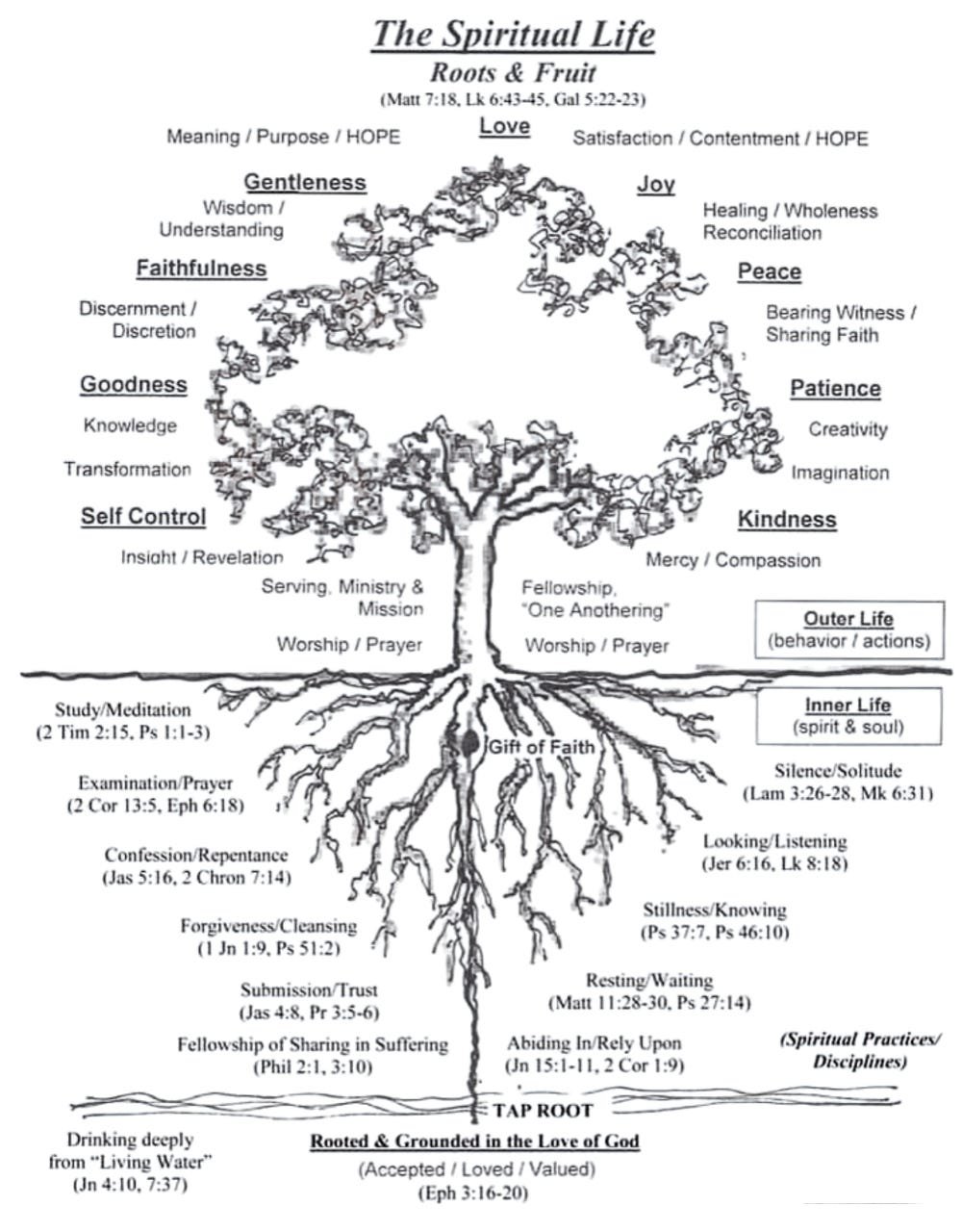
Today, believers passionately seek the gifts of the Spirit, yet very few seriously pursue the fruit of the Spirit. Spiritual gifts are attractive because they are visible, impressive, and often publicly recognized. Gifts such as prophecy, healing, tongues, teaching, or miracles can bring attention and admiration. Because of this visibility, many desire gifts as a means of spiritual influence, recognition, or even personal gain. However, Scripture teaches that gifts are not the ultimate measure of spiritual maturity. The true evidence of Christ living within a believer is the fruit produced through inner sanctification.
The gifts of the Spirit are given by the Holy Spirit according to His sovereign will. As it is written in 1 Corinthians 12:11, “But one and the same Spirit works all these things, distributing to each one individually just as He wills.” Gifts are not earned through holiness, nor are they necessarily indicators of spiritual maturity. A person may operate in certain gifts while still lacking character and inner transformation. History and experience within the church reveal that individuals may demonstrate powerful spiritual gifts yet fall into pride, immorality, or spiritual deception.
In contrast, the fruit of the Spirit is not an external ability but an internal transformation of nature. The fruit is the evidence that the life of Christ is growing within the believer.
Fruit cannot be manufactured through human effort or religious activity. It grows slowly through the process of sanctification. The believer must walk daily with God, allow the Holy Spirit to convict and cleanse the heart, and submit to the refining work of the Spirit. The tragedy of modern Christianity is that many desire the power of the Spirit without the purification of the Spirit.
The apostle Paul clearly describes the fruit of the Spirit in Galatians 5:22–23:
“But the fruit of the Spirit is love, joy, peace, patience, kindness, goodness, faithfulness, gentleness, self-control; against such things there is no law.
These qualities do not appear instantly. They develop slowly through a lifelong process of transformation. Just as fruit on a tree grows gradually through seasons of nurturing, sunlight, and time, spiritual fruit develops through obedience, trials, prayer, and deep communion with Christ.
Many believers desire to exercise spiritual power, but fewer desire to undergo spiritual transformation. Gifts can operate through a person even if their character is immature. Fruit, however, cannot exist without genuine inward change. Jesus warned in Matthew 7:16, “By their fruit you will recognize them.” Notice that He did not say we recognize believers by their gifts, but by their fruit.
Therefore, the focus of the Christian life must not be on spiritual performance but on spiritual formation. God’s goal is not merely to make us vessels of power but to make us vessels of holiness. Through the Holy Spirit, believers are gradually shaped into the likeness of Christ. This process of transformation is called sanctification, and it happens in the hidden places of the heart where God quietly reshapes our desires, motives, and attitudes.
True disciples of Christ must therefore understand that while gifts are valuable tools for ministry, the fruit of the Spirit is the true evidence of spiritual life.
Gifts of the Spirit: Tools for Ministry
The gifts of the Spirit are given for the purpose of building up the body of Christ and advancing the work of God in the world. Paul explains in 1 Corinthians 12:7, “But to each one is given the manifestation of the Spirit for the common good.” These gifts are not meant for personal glory or personal gain. They exist to strengthen the church, serve others, and reveal God’s power and compassion.
Scripture lists various gifts, including wisdom, knowledge, faith, healing, miracles, prophecy, discernment, tongues, and interpretation of tongues. These gifts serve different roles within the community of believers. Some bring instruction, others bring encouragement, and still others reveal the supernatural power of God in times of need. In Ephesians 4:12, Paul explains that spiritual gifts are given
“for the equipping of the saints for the work of service, to the building up of the body of Christ”
However, the misuse of spiritual gifts can lead to serious spiritual dangers. When believers seek gifts primarily for recognition, influence, or financial benefit, the focus shifts from serving God to serving the self. Spiritual pride begins to grow in the heart. A person may begin to see themselves as more spiritual than others, believing that the presence of gifts proves their superiority. This attitude is exactly what Paul warned against when addressing the Corinthian church, a community rich in spiritual gifts but deeply divided by pride and competition.
Even the most extraordinary gifts are meaningless without love. Paul states in 1 Corinthians 13:1–2:
“If I speak with the tongues of men and of angels, but do not have love, I have become a noisy gong or a clanging cymbal. If I have the gift of prophecy, and know all mysteries and all knowledge; and if I have all faith, so as to remove mountains, but do not have love, I am nothing.”
This passage clearly shows that spiritual gifts do not define spiritual maturity. Without the fruit of love and humility, gifts become empty noise rather than instruments of God’s grace.
Therefore, while gifts are important, they must always remain secondary to the work of inner sanctification.
Fruit of the Spirit: Evidence of Inner Sanctification
The fruit of the Spirit represents the visible expression of the inner life of Christ within the believer. Unlike spiritual gifts, which may appear suddenly and function outwardly, fruit grows slowly through a continual process of transformation. Sanctification is the process by which the Holy Spirit gradually purifies the heart, aligns the mind with God’s will, and shapes the character of Christ within the believer.
This transformation begins when a person is born again. At conversion, the believer receives the Holy Spirit, but the development of spiritual fruit requires time, obedience, and spiritual discipline. As believers walk daily with God, they experience conviction, repentance, renewal, and growth. Each trial, temptation, and testing becomes an opportunity for the Holy Spirit to refine the character of Christ within them.
The nine qualities listed in Galatians 5:22–23 — love, joy, peace, patience, kindness, goodness, faithfulness, gentleness, and self-control — are not separate fruits but aspects of a single fruit produced by the Spirit. They reflect the nature of Christ Himself. Jesus perfectly demonstrated every one of these qualities during His earthly ministry. When believers bear the fruit of the Spirit, they are essentially revealing the character of Christ through their lives.
Sanctification often takes place in hidden places of the heart where no one else can see. It occurs in moments of quiet prayer, in acts of forgiveness, in resisting temptation, and in choosing humility instead of pride. These inner battles shape the believer’s spiritual character. As the apostle Paul wrote in Romans 12:2, “Be not conformed to this world: but be ye transformed by the renewing of your mind.”
Fruit therefore represents the true measure of spiritual maturity. A person who walks in love, humility, patience, and self-control demonstrates that the Spirit of God is actively transforming their life.
The Branch and the Vine: The Process of Spiritual Growth
Jesus illustrated the process of spiritual fruitfulness through the powerful imagery of the vine and the branches. In John 15:5, He declared:
“I am the vine, you are the branches; he who abides in Me and I in him, he bears much fruit, for apart from Me you can do nothing.”
This image reveals an essential truth about the Christian life. A branch cannot produce fruit by its own effort. It must remain connected to the vine, receiving nourishment, life, and strength from it. In the same way, believers cannot produce spiritual fruit through human determination or religious performance. Fruit grows naturally when the believer abides in Christ.
The process of bearing fruit requires patience. When a branch is grafted into a tree, it does not immediately produce fruit. It must remain connected to the root for a long time. The life of the tree must flow through the branch, strengthening it and preparing it to produce fruit in the proper season. This process may take years.
Similarly, spiritual fruit in a believer’s life develops gradually. God often uses trials, waiting periods, and spiritual disciplines to deepen our dependence on Him. These experiences strengthen our faith and refine our character. James writes in James 1:3–4:
“knowing that the testing of your faith produces endurance. And let endurance have its perfect result, so that you may be perfect and complete, lacking in nothing.”
The branch also does not produce fruit for its own benefit. The fruit exists for others to enjoy and receive nourishment. In the same way, the fruit of the Spirit in a believer’s life blesses those around them. When believers walk in love, patience, and gentleness, others experience the presence of Christ through them.
Thus, spiritual fruitfulness is not about personal glory but about reflecting Christ to the world.
The Hidden Work of Inner Sanctification
The development of spiritual fruit takes place through a quiet and often unseen work of the Holy Spirit within the believer’s heart. Many believers prefer visible ministries and public recognition, yet the most important spiritual work occurs within the inner life.
Jesus emphasized the importance of this hidden transformation. In Matthew 6:6, He instructed:
“ But you, when you pray, go into your inner room, close your door and pray to your Father who is in secret, and your Father who sees what is done in secret will reward you”
The spiritual life grows strongest in the secret place. Prayer, meditation on Scripture, and quiet communion with God shape the believer’s heart in ways that public ministry cannot accomplish. Through these disciplines, the Holy Spirit exposes sinful attitudes, corrects wrong motivations, and cultivates the character of Christ.
Sanctification also involves the daily crucifixion of the flesh. The believer must continually choose the will of God over the desires of the old nature. Paul writes in Galatians 5:24, “And they that are Christ’s have crucified the flesh with the affections and lusts.” This spiritual struggle is part of the process by which the Spirit forms Christ within us.
The result of this inner work is a transformed life that reflects God’s holiness and love. While spiritual gifts may draw attention to the believer, the fruit of the Spirit quietly reveals the presence of Christ.
Fruit That Remains
Jesus did not simply call His followers to produce fruit; He called them to produce fruit that remains. In John 15:16, He said:
“You did not choose Me but I chose you, and appointed you that you would go and bear fruit, and that your fruit would remain, so that whatever you ask of the Father in My name He may give to you.”
Temporary displays of spiritual enthusiasm may appear impressive, but lasting fruit requires deep roots in Christ. A believer whose life is shaped by love, humility, and obedience leaves a lasting impact on others. Their influence continues long after their ministry or presence is gone.
The fruit of the Spirit also prepares believers for eternity. Spiritual gifts will eventually pass away, but the character formed through sanctification will remain forever. Paul reminds us in 1 Corinthians 13:8, “Love never fails; but if there are gifts of prophecy, they will be done away; if there are tongues, they will cease; if there is knowledge, it will be done away.”
This truth reveals the eternal value of spiritual fruit. Love, humility, faithfulness, and righteousness are qualities that reflect the very nature of God. As believers grow in these qualities, they are being prepared for eternal fellowship with Him.
Conclusion: Seeking the Fruit of the Spirit
The true measure of a Christian life is not the display of spiritual gifts but the presence of spiritual fruit. Gifts may attract attention, but fruit reveals transformation. Gifts may operate through a person temporarily, but fruit grows from a heart that has been purified by the Holy Spirit.
Believers must therefore seek the deeper work of sanctification. They must remain connected to Christ, allowing His life to flow through them day by day. As they walk in obedience, humility, and prayer, the Holy Spirit will gradually produce the fruit that reflects the character of Jesus.
When believers focus on inner sanctification rather than outward display, they become living branches connected to the true Vine. Through them, the life of Christ flows into the world, nourishing others and bringing glory to God.