
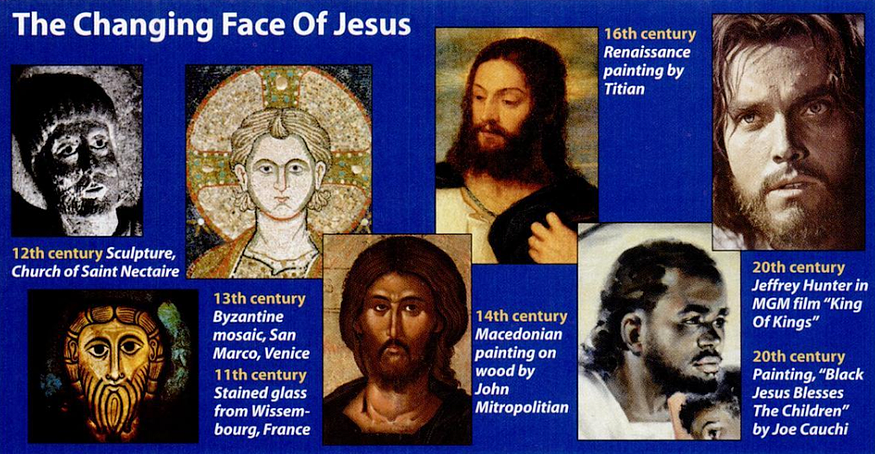
One of the subtle distractions in Christian culture is the tendency to imagine Jesus more through art than through Scripture. For centuries, paintings, icons, films, and cultural traditions have given people a visual image of Christ, yet the Bible gives us no reliable physical description of Jesus of Nazareth. Scripture does not call us to know the color of His eyes, the shape of His face, or the height of His body. Instead, Scripture calls us to know His heart, His obedience, His humility, His holiness, His compassion, His truth, and His living presence. Many believers may say they love Jesus, yet much of their attention is directed toward outward imagination rather than inward revelation. The Lord did not preserve for us a portrait of His earthly face, but He did preserve for us His words, His works, His cross, His resurrection, and His Spirit. God has not asked us to build our faith around the visible features of Christ’s mortal body, but around the glory of His person and the power of His life.
This matters deeply because human beings are often drawn to what can be seen. We prefer shape over substance, appearance over character, image over truth. Man is not merely flesh. According to Scripture, human life has depth beyond the visible frame. The body is the outward vessel formed from dust and returning to dust. The soul carries the seat of desire, will, thought, memory, and personality. The spirit is that deepest dimension in which man stands before God, dead without Him and made alive through Him. If this is true for us, then we should understand why Christ must also be known beyond mere outward appearance. To know Jesus truly is not to speculate about His skin tone or facial structure, but to behold His holiness, discern His mind, receive His life, and be conformed to His image in the inward man. The New Covenant does not call us to admire Jesus from a distance like a painting on a wall. It calls us to abide in Him, to be filled with His Spirit, and to let His life be formed in us. Therefore, let us turn our eyes away from human imagination and set them upon the Christ revealed in Scripture, so that we may know Him beyond the painting.
Scripture Directs Us to Christ’s Glory, Not His Physical Appearance
The Bible is strikingly silent about the physical appearance of Jesus, and that silence is not accidental. If the outward form of Christ were central to saving faith, surely the Holy Spirit would have preserved a detailed account of it. Yet the Gospels tell us how He taught, how He loved, how He wept, how He obeyed the Father, how He endured the cross, and how He rose in victory. What Scripture emphasizes is not His bodily features but His divine mission and holy character. Isaiah’s prophecy concerning the Messiah says, “he had no form or majesty that we should look at him, and no beauty that we should desire him” (Isaiah 53:2). This does not mean Christ lacked dignity, but it means His saving significance was not in worldly attractiveness. He did not come to captivate humanity by outward glamour, but to redeem sinners through suffering obedience. The carnal mind looks for spectacle, yet God points us to substance. Jesus was not sent as a figure for artistic fascination, but as the Lamb of God. The Father wants us to hear Him, obey Him, and follow Him.
The apostle Paul shows the same direction when he writes, “Even though we once regarded Christ according to the flesh, we regard him thus no longer” (2 Corinthians 5:16). This is a profound statement. It means that the church no longer knows Christ by earthly categories, natural impressions, or merely human observation. We know Him now as the crucified and risen Lord. We know Him by revelation, by faith, and by the Spirit. Even those who once saw Him physically did not truly understand Him unless the Father opened their eyes. When Peter confessed, “You are the Christ, the Son of the living God” (Matthew 16:16), Jesus answered that “flesh and blood has not revealed this to you, but my Father who is in heaven” (Matthew 16:17). This shows that true knowledge of Christ does not come from visual contact alone. It comes from divine revelation. Therefore, Christians must be careful not to reduce Jesus to an image shaped by culture, ethnicity, or religious art. To know Christ is to know His identity, His mission, His mind, and His truth. The church is safest when it clings to the Christ of Scripture rather than the Christ of imagination. A painting can stir emotion, but only the revealed Son of God can save, transform, and reign within the heart.
Humans Are More Than Body: The Inner Life Matters Before God
If we are to understand why Christ should be known beyond His outward form, we must also understand what Scripture teaches about man. Human beings are not merely biological organisms moving through time. The visible body is only one dimension of human existence. Scripture speaks of man in terms that show inward depth. Paul prays, “May your whole spirit and soul and body be kept blameless at the coming of our Lord Jesus Christ” (1 Thessalonians 5:23). Here we see the fullness of human life described in a layered way. The body is the outer frame through which we act in the material world. The soul speaks of the inward personal life — mind, affections, choices, desires, and selfhood. The spirit points to that deepest realm in which man relates to God. Whether one discusses the exact theological distinctions carefully or simply speaks of man’s outward and inward nature, the biblical point is clear: man is more than what can be seen. This is why God is never impressed by appearance alone. He searches what is hidden within.
Scripture consistently redirects us from externals to the heart. When Samuel was sent to anoint David, the Lord told him, “Man looks on the outward appearance, but the Lord looks on the heart” (1 Samuel 16:7). This is not merely a lesson about David. It is a principle about divine judgment. Humans are drawn to stature, attractiveness, presentation, and visible impressiveness. God weighs the inner man. Jesus Himself said, “The flesh is no help at all. The words that I have spoken to you are spirit and life” (John 6:63). He was teaching that natural man cannot grasp heavenly truth by fleshly reasoning. Spiritual life comes from God. Even our bodies, though real and important, are temporary and mortal. Genesis reminds us that man was formed from the dust, and Ecclesiastes says the dust returns to the earth. Therefore, the obsession with physical image is always shallow compared with the eternal condition of the soul and the spirit. When believers become preoccupied with outward form, they drift away from the weightier matters of life. So when we think of Jesus, we should not begin with what His earthly frame may have looked like, but with the divine life He came to awaken in us.
The Body Is a Vessel, but the True Life Is Deeper
The physical body matters because God created it, and in Christ even the body is destined for resurrection; like when Jesus raised from the dead he received glorified body — that transformed, perfected, and incorruptible to share in God’s glory. Yet the physical body is not the definition of a person. It is a vessel, or a tent where soul and spirit is housed. Paul says, “For we know that if the tent that is our earthly home is destroyed, we have a building from God” (2 Corinthians 5:1). He calls the present body a tent because it is temporary. A tent is useful, but it is not permanent. In the same spirit, Peter writes, “I know that the putting off of my body will be soon” (2 Peter 1:14), literally speaking of laying aside his tent. These verses remind us that the body is not the final essence of the self. It is the present dwelling place of our earthly life.
The New Testament teaches believers to honor God with the body without idolizing it. Paul asks, “Do you not know that your body is a temple of the Holy Spirit within you?” (1 Corinthians 6:19). That is a remarkable statement. The body is a temple, not a throne. It is a dwelling place meant for God’s glory, not an object of vain exaltation. The true wonder is not the architecture of the temple but the presence that fills it. In the same way, the greatness of the Christian life is not found in bodily appearance, bodily strength, or bodily image, but in whether the Spirit of God dwells and rules within. Jesus also taught this principle when He rebuked superficial religion. He criticized those who cleaned “the outside of the cup and the plate” while inside they were full of corruption (Matthew 23:25). His concern was always inward cleansing first. Thus, if believers spend great energy debating the face of Jesus while neglecting His holiness, meekness, obedience, and sacrificial love, they have missed the point. The inward life before God is what bears eternal consequence. Therefore, let us respect the body as God’s creation, but never confuse the vessel with the treasure. Let us look beyond the visible structure and seek the living Christ who fills His people with divine life.
To Know Jesus Truly Is to Know His Heart, Mind, and Character
If we are not called to focus on Christ’s physical form, then what should our attention be fixed upon? Scripture answers clearly: we must know His heart, His mind, His character, His ways, and His glory. Jesus reveals the Father not by giving the world a portrait but by living in perfect obedience and truth. He said, “Whoever has seen me has seen the Father” (John 14:9). That statement is not about facial resemblance to the Father, for God is spirit. It is about divine revelation in His person, words, and works. When people watched Jesus show compassion to the broken, truth to the confused, purity before temptation, and obedience unto death, they were seeing the Father’s character made known in the Son. To know Jesus is to know how He responds to sinners, how He honors the Father, how He handles suffering, how He loves His enemies, and how He remains holy in a corrupt world. This is the knowledge that transforms the believer. This is the Christ the church must preach.
Paul calls believers to have “the mind of Christ” (1 Corinthians 2:16), and in Philippians he says, “Have this mind among yourselves, which is yours in Christ Jesus” (Philippians 2:5). He then unfolds Christ’s humility, self-emptying, servanthood, and obedience unto death. Here the Spirit directs us to the interior beauty of Jesus. His glory is moral, spiritual, and redemptive. He is “gentle and lowly in heart” (Matthew 11:29). He is righteous, compassionate, truthful, patient, fearless before man, and fully surrendered to the Father. When believers meditate on these realities, Christ begins to be formed within them. But if they are occupied mainly with visual imagination, they may feel religious while remaining unchanged. The goal of the New Covenant is not admiration from afar but participation in His life. We are called to learn His meekness, receive His truth, walk in His obedience, and display His love. Jesus is not meant to remain a historical figure hanging in an artistic frame. He is the living Lord who must rule the conscience, renew the mind, and reshape the whole person. To know Him truly is to love what He loves, hate what He hates, and walk as He walked.
Christ Must Be Formed in Us, Not Merely Imagined by Us
The gospel does not call us merely to think about Jesus but to be transformed by union with Him. Many people admire Jesus as a noble teacher, a gentle healer, or a tragic martyr, yet the New Covenant goes infinitely deeper. Paul writes, “My little children, for whom I am again in the anguish of childbirth until Christ is formed in you!” (Galatians 4:19). Paul was not laboring merely to make Christians informed, emotional, or culturally religious. He was laboring for Christ to be formed in them. That means the inward life of Jesus — His character, obedience, affections, and holiness — must take shape within the believer. Christianity is not image-based but life-based. The Lord is not satisfied that we hang a picture of Jesus on a wall while our hearts remain proud, bitter, worldly, or unclean. He seeks inward conformity to the Son. The question is not whether we can imagine His face, but whether His life is visible in our conduct. The real testimony of Christ in the earth is not sacred art but sanctified people.
Paul says again, “It is no longer I who live, but Christ who lives in me” (Galatians 2:20). This is the mystery of the Christian life. Christ lives in His people through the Holy Spirit. His presence becomes operative in their thoughts, desires, convictions, and actions. Romans 8:29 declares that believers are predestined “to be conformed to the image of his Son”. The Spirit reshapes us into the likeness of Christ’s love, holiness, patience, and obedience. This is why Christians should be deeply cautious about externalized religion. It is possible to speak often about Jesus while remaining unlike Him. It is possible to cherish Christian aesthetics while resisting Christian surrender. It is possible to feel moved by religious imagery but remain untouched in the conscience. The New Covenant presses us further. It demands repentance, death to self, renewal of mind, and Spirit-born transformation. Christ is glorified when His people reflect His nature. The world does not need more speculation about how Jesus looked in the flesh. It needs to see His life manifested in forgiven sinners who now walk in truth, humility, mercy, purity, and love.
The Holy Spirit Reveals Christ to the Inner Man
After the ascension of Jesus, the Father sent the Holy Spirit so that believers might not be left to memory, imagination, or mere tradition. Christ did not intend for His followers to preserve Him only as a historical figure from the past. He gave the Spirit so they might know Him as present, living, reigning, and active. Jesus said, “When the Spirit of truth comes, he will guide you into all the truth” (John 16:13). He also said, “He will glorify me, for he will take what is mine and declare it to you” (John 16:14). This is critical. The Holy Spirit does not glorify human art, fleshly curiosity, or religious fantasy. He glorifies Christ. He reveals the Son to the inner man. He opens Scripture, convicts of sin, produces holiness, strengthens faith, and makes Christ precious to the believer’s heart. Through the Spirit, Jesus is no longer merely an external subject of study, but the living Lord known inwardly and truly. This is why the deepest knowledge of Christ is spiritual rather than visual.
Paul prays in Ephesians that believers may be “strengthened with power through his Spirit in your inner being, so that Christ may dwell in your hearts through faith” (Ephesians 3:16–17). Notice the order. The Spirit strengthens the inner being, and Christ dwells in the heart through faith. The Christian life is profoundly inward before it becomes outward. The Spirit awakens the dead spirit of man, renews the mind, purifies the affections, and leads the soul into communion with God. He makes Jesus real to us in worship, in conviction, in Scripture, in obedience, in suffering, and in hope. This is why the believer’s greatest need is not a visual reconstruction of first-century features but a living revelation of Christ by the Spirit. When the Spirit works, Christ becomes more than doctrine; He becomes beloved. He becomes more than an object of discussion; He becomes the center of life. He becomes more than a name from history; He becomes the Shepherd of the soul. Without the Spirit, men create images. With the Spirit, men behold the glory of the Lord and are changed.
We Behold Christ by Faith and Are Transformed into His Image
The Christian life is a life of seeing without sight. Peter writes of Jesus, “Though you have not seen him, you love him. Though you do not now see him, you believe in him” (1 Peter 1:8). This is the miracle of faith. The church loves a Christ it has not seen with physical eyes because He has been revealed through the Word and by the Spirit. Thomas wanted visible proof, yet Jesus said, “Blessed are those who have not seen and yet have believed” (John 20:29). The blessing of the New Covenant is not grounded in physical contact but in Spirit-given faith. We behold Christ through Scripture, through the gospel, and through the inward witness of the Holy Spirit. This kind of beholding changes us more deeply than natural sight ever could. Many in first-century Judea physically saw Jesus and still rejected Him. Yet countless believers today have never seen His earthly face and yet love Him truly, obey Him sincerely, and die in hope because they know Him by faith.
Paul gives one of the most beautiful descriptions of this in 2 Corinthians 3:18: “And we all, with unveiled face, beholding the glory of the Lord, are being transformed into the same image” (ESV). Here again the stress is on glory, not mere appearance. We behold the Lord’s glory, and in that beholding we are transformed into His image. This transformation is progressive, spiritual, and inwardly powerful. It is not about copying physical shape but about being changed into likeness of character and holiness. The more truly we know Him, the less fascinated we become with external trivia. This is why Christians should stop discussing what Jesus may have looked like according to history, culture, or ethnicity. Those discussions may have limited historical value, but they cannot produce holiness. Only beholding the Lord in truth can transform the soul.
Conclusion
To know Christ beyond the painting is to return to the center of the gospel. We do not dishonor Jesus by refusing to speculate about His physical features. We honor Him by treasuring what Scripture treasures most. The Bible directs us to His person, His mission, His obedience, His suffering, His resurrection, His present lordship, and His indwelling life through the Spirit. The Lord looks at the heart. He reveals His Son by the Spirit. He calls us not to admire Jesus as an image, but to receive Him as Lord. He does not simply want us to think about Him, but to be conformed to Him. Christ must be formed in us. His mind must shape our thoughts. His meekness must soften our pride. His holiness must purify our desires. His love must govern our relationships. His truth must direct our speech. His cross must kill our self-centeredness. His resurrection life must animate our walk. His Spirit must strengthen our inner man until our lives testify that Jesus is alive.
So let us move beyond shallow religion. Let us not cling to the mortal frame while neglecting eternal reality. Let us not be content with pictures of Jesus while resisting the presence of Jesus. Let us not debate His outward likeness while refusing inward transformation. The true church is not a gallery of religious images but a temple of living stones filled with the Holy Spirit. There the beauty of Christ is displayed — not on canvas, but in surrendered lives. There His glory is seen in holiness, humility, endurance, truth, compassion, forgiveness, and love. This is the witness the world needs. May we know Christ not according to the flesh, but according to the Spirit. May we behold Him in Scripture, meet Him in truth, follow Him in obedience, and reflect Him in daily life. And may our greatest longing not be to reconstruct His earthly face, but to be remade into His heavenly likeness.